
Why 1:1 Trained Support in the Community Makes a Difference

For many children and young people, accessing the community is not always straightforward. Anxiety, additional needs, communication differences, sensory challenges or reduced confidence can all make everyday activities feel overwhelming.
This is where 1:1 trained support can make a real difference.
Unlike general childcare, 1:1 support is tailored to the individual. It is built around a child or young person’s needs, strengths, goals and wellbeing, helping them take part in community life safely, confidently and meaningfully.
More than supervision
A trained support worker does far more than simply supervise. Their role is to understand the child or young person as an individual and provide support that is purposeful, skilled and outcome-focused.
This may include helping a young person to:
● access community activities
● build confidence in new environments
● develop communication and social skills
● manage anxiety or emotional regulation
● increase independence
● stay safe in the community
● work towards personal goals
With the right support, community experiences can become opportunities for growth rather than sources of stress.
How trained support workers differ from childminders
It is important to understand that trained support workers are not the same as childminders.
A childminder typically provides childcare, often for younger children and usually when parents are unavailable. A trained support worker, however, provides individualised care and support that is centred on assessed needs, outcomes, risk management and development.
Their role is often much broader and may include supporting children and young people with additional needs, disabilities, trauma, behavioural needs or communication differences to access their community in a safe and structured way.
In Jersey, this distinction matters. Depending on how support is arranged and delivered, services may fall under different legal and regulatory frameworks, including childcare legislation or the Regulation of Care (Jersey) Law 2014. This is why families should always be clear about the type of service being provided, the training staff receive and the standards the provider works to.
Why training matters
Children and young people with more complex needs often require more than general childcare. They need support from people with the right knowledge, skills and experience.
Training may include areas such as:
● safeguarding
● autism and sensory awareness
● communication needs
● trauma-informed practice
● behaviour support
● risk assessment
● emotional regulation
● professional boundaries
● promoting independence
This level of understanding allows support workers to respond appropriately, reduce risk and help young people make meaningful progress.
What can be achieved?
The outcomes of 1:1 trained support can be significant.
With consistent, skilled support, children and young people can often achieve:
● increased confidence
● improved emotional wellbeing
● better access to their local community
● stronger social and communication skills
● greater independence in daily life
● safer decision-making
● improved quality of life
For some, this may mean attending activities they once avoided. For others, it may mean learning to manage new situations, build friendships, use community spaces safely or prepare for adulthood with growing independence.
Supporting families too
The benefits are not only for the child or young person. Families also gain reassurance from knowing their child is being supported by someone trained to understand their needs and help them progress.
This can reduce stress, create breathing space for families and build confidence that their child is being supported in a safe, respectful and purposeful way.
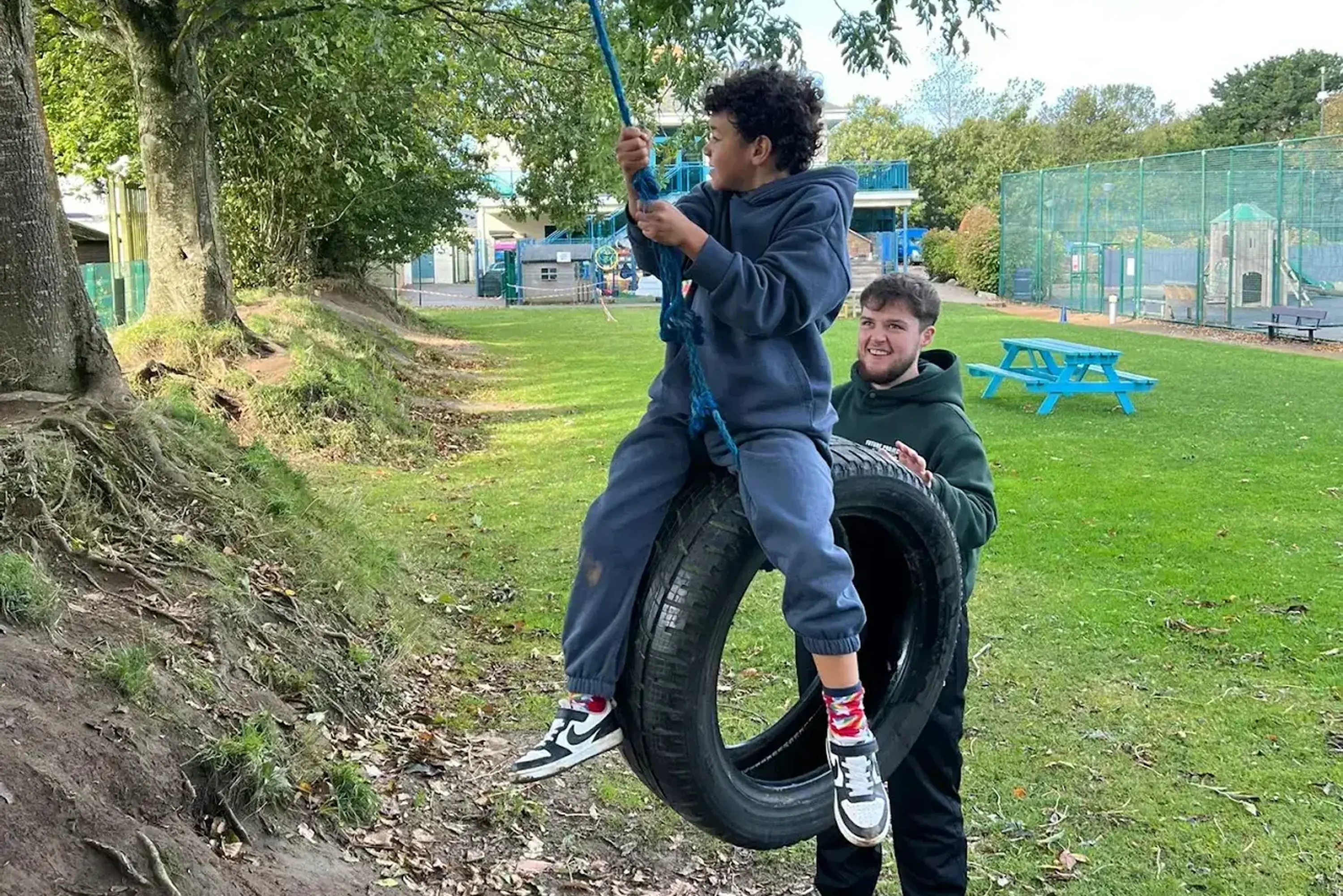
Creating opportunities
Every child and young person deserves the chance to feel included in their community and supported to reach their potential.
1:1 trained support helps make that possible. By providing the right support at the right time, it can open doors to confidence, independence, inclusion and achievement — both now and in the future.